Fly Fishing Remote Trout Streams
March 12, 2026 | Fly Fishing
Hooking Into the Adventure: Exploring Fly Fishing in the Upper Peninsula
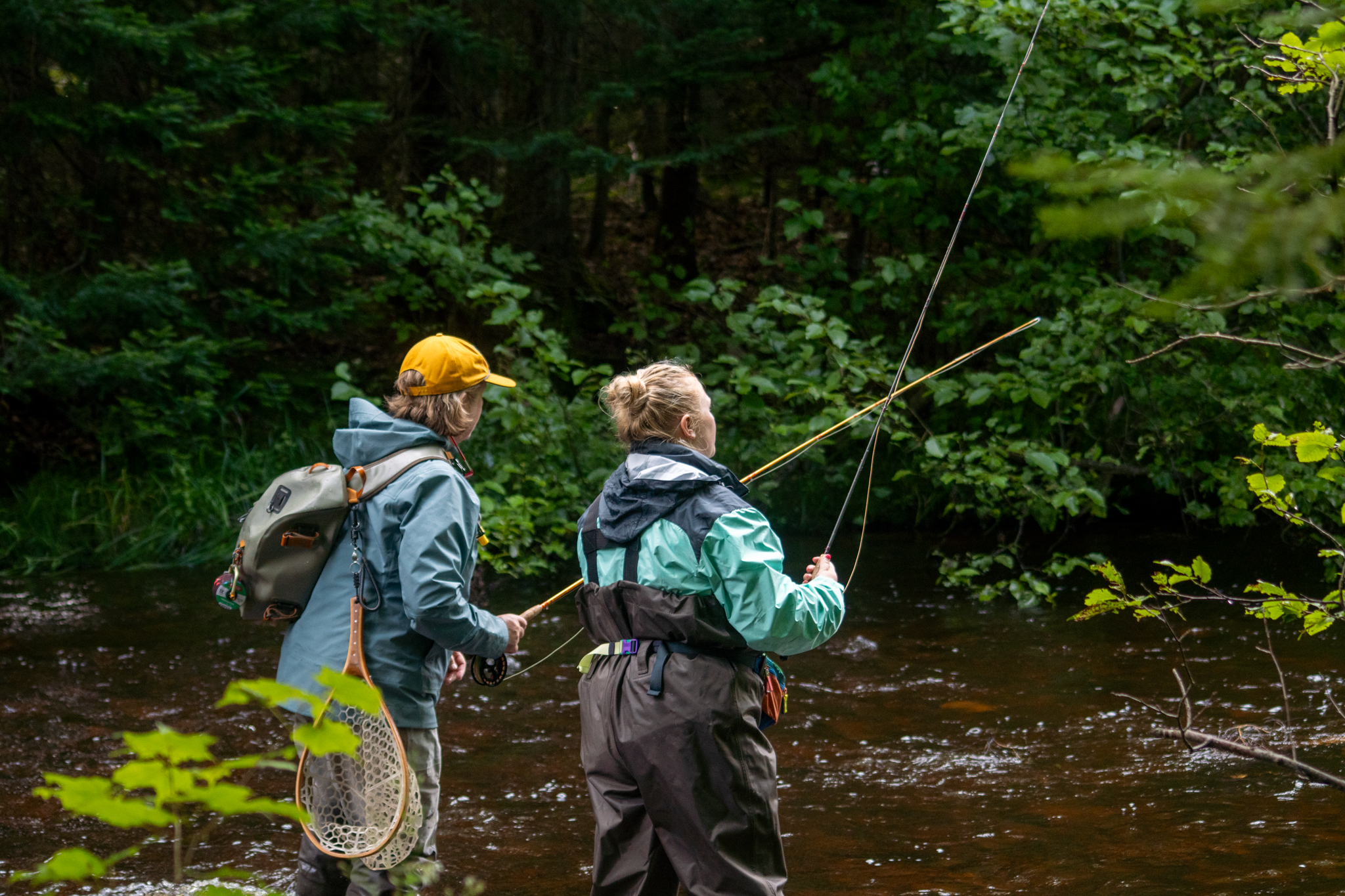
Imagine wading into remote trout streams surrounded by Michigan’s pristine landscapes, where every ripple and current holds the promise of a new challenge. This introduction sets the stage for an in-depth look at fly fishing in the Upper Peninsula—a region celebrated for its secret, untouched waters and abundant wildlife. In areas known for their remote trout streams, anglers can experience both the tranquility of nature and the thrill of a perfectly cast fly.
In this guide, you will discover:
- Essential gear tips tailored for the unique conditions of rugged, flowing streams.
- Techniques to read water currents and select the ideal fly for varied water textures.
- Strategies for maintaining stealth and patience, key to successful trout fishing.
Additionally, the content delves into practical steps to overcome common angling challenges in diverse weather conditions—from rapid stream flows to seasonal variations. With insights that blend hands-on advice and local expertise, this section prepares you for an adventure that is both educational and immensely rewarding. Embrace the art of fly fishing and let the Upper Peninsula reveal its hidden treasures one cast at a time.
Embark on your fly fishing adventure as you explore secluded trout streams that offer both serenity and the thrill of the catch. Here are seven prime locations that combine rugged beauty with lucrative fishing opportunities:
Must-Have Gear for Remote Fly Fishing Success
Heading out to untouched trout streams calls for a well-thought-out selection of equipment designed to blend performance with durability. When venturing into remote locations, every piece of gear must withstand challenging conditions while enhancing your casting precision and overall fishing experience.
Begin with a high-quality fly rod and reel combo that balances sensitivity with strength. Remember, a lightweight rod paired with a smooth-operating reel is essential for tackling swift currents and subtle fish movements. Complement your rod with premium fly lines and carefully selected flies that mimic local insect life.
Next, invest in a pair of dependable waders and waterproof boots. These will keep you comfortable and dry even during unexpected weather changes. A rod backpack with water-resistant compartments is useful for carrying extra supplies like leaders, tippets, and repair tools. Additionally, a compact fly tying kit can provide the flexibility to adapt your selection to ever-changing stream conditions.
Before you set out, check your gear thoroughly and prepare backup equipment in case of unexpected challenges. With the right tools on hand, your remote fly fishing adventure becomes not just a pursuit for trout, but a rewarding journey deep into nature’s hidden treasures.
Master the Art of Navigating Remote Trout Streams
Embarking on a fly fishing adventure in secluded trout streams demands a clear plan and refined techniques. Follow these actionable steps to navigate and fish these remote waterways with confidence:
- Assess the Terrain: Begin by surveying the stream’s layout. Observe water currents, eddies, and potential obstacles near areas like Escanaba, Michigan. This helps pinpoint promising ambush spots while ensuring safe passage through narrow channels.
- Optimize Your Approach: Adjust your casting technique based on water depth and flow. Use lighter, more flexible lines that allow for delicate presentations of your fly. Aim to deliver a natural drift, mimicking the movement of insects floating downstream.
- Read the Local Waters: Watch for subtle changes in water clarity and turbulence—indicators of hidden pockets where trout may be feeding. Approach these areas slowly, keeping your movements subdued to avoid spooking the fish.
- Fine-Tune Your Gear Setup: Ensure your fly rod and reel are synchronized for precise casts. Regularly check your equipment’s integrity and adapt lure selection to match prevailing insect activity.
By following these steps, you’ll build the practical skills needed to both navigate and fish remote trout streams, leading to a successful and rewarding outing on the water.
Frequently Asked Questions About Remote Fly Fishing in Upper Peninsula Trout Streams
What essential gear is recommended for remote fly fishing?
Using a lightweight rod paired with a reliable reel, floating fly lines, and an assortment of flies tailored to local trout are key. A sturdy vest with ample pockets for extra leaders and tippets also improves your efficiency in remote settings.
How do weather conditions impact fly fishing in these areas?
Unpredictable Upper Peninsula weather means winds and sudden temperature shifts can significantly affect casting and fish activity. Monitoring local forecasts and starting early in the day help maximize opportunities on calm water.
What strategies can help locate secluded trout streams?
Combining local maps with advice from seasoned anglers and exploring lesser-known tributaries increases your chances. Early morning scouting and steady wading along riverbanks can reveal promising, less crowded spots.
What safety precautions are crucial for remote fly fishing?
Always inform someone about your planned route and carry a basic first-aid kit. Dressing in layers and keeping communication devices charged are also vital.
Is fly fishing accessible for beginners in these remote environments?
Absolutely. Starting with well-equipped guides or local advice can boost your confidence and help you master the unique techniques required in these rugged settings.
Final Reflection: Embrace the Untamed Waters
In wrapping up our exploration of remote trout streams, it’s clear that Michigan’s untouched fly fishing sites offer an unparalleled adventure. As you reflect on the guide, remember these key takeaways: understanding water flow patterns, selecting tailored fly fishing gear, and remaining patient with nature’s timing are essential for successful outings in remote Michigan streams.
Explore these actionable steps before your next fly fishing journey:
- Review Equipment: Ensure your rod, flies, and waders are in excellent condition.
- Scout Local Conditions: Study local water currents and weather patterns to determine the best times for fishing.
- Plan Your Route: Identify lesser-known, pristine streams where trout thrive and enjoy the serenity of untamed Michigan landscapes.
Taking these steps will help you navigate common challenges while deepening your connection with nature. Let the gentle rush of the water, the rustle of wind through trees, and the thrill of a well-cast line motivate you to explore further. Your next fly fishing expedition is not just a trip—it’s an opportunity to embrace the wild, learn from nature, and create lasting memories.